Summary:It’s easy to pick an “appropriate” paint color until after it dries. This article discusses the discrepancies between paint samples and how their colors will look on finished walls, how color perception influences a residential painting job, and how a professional indoor painting service will help a homeowner achieve the colors he or she is looking for.
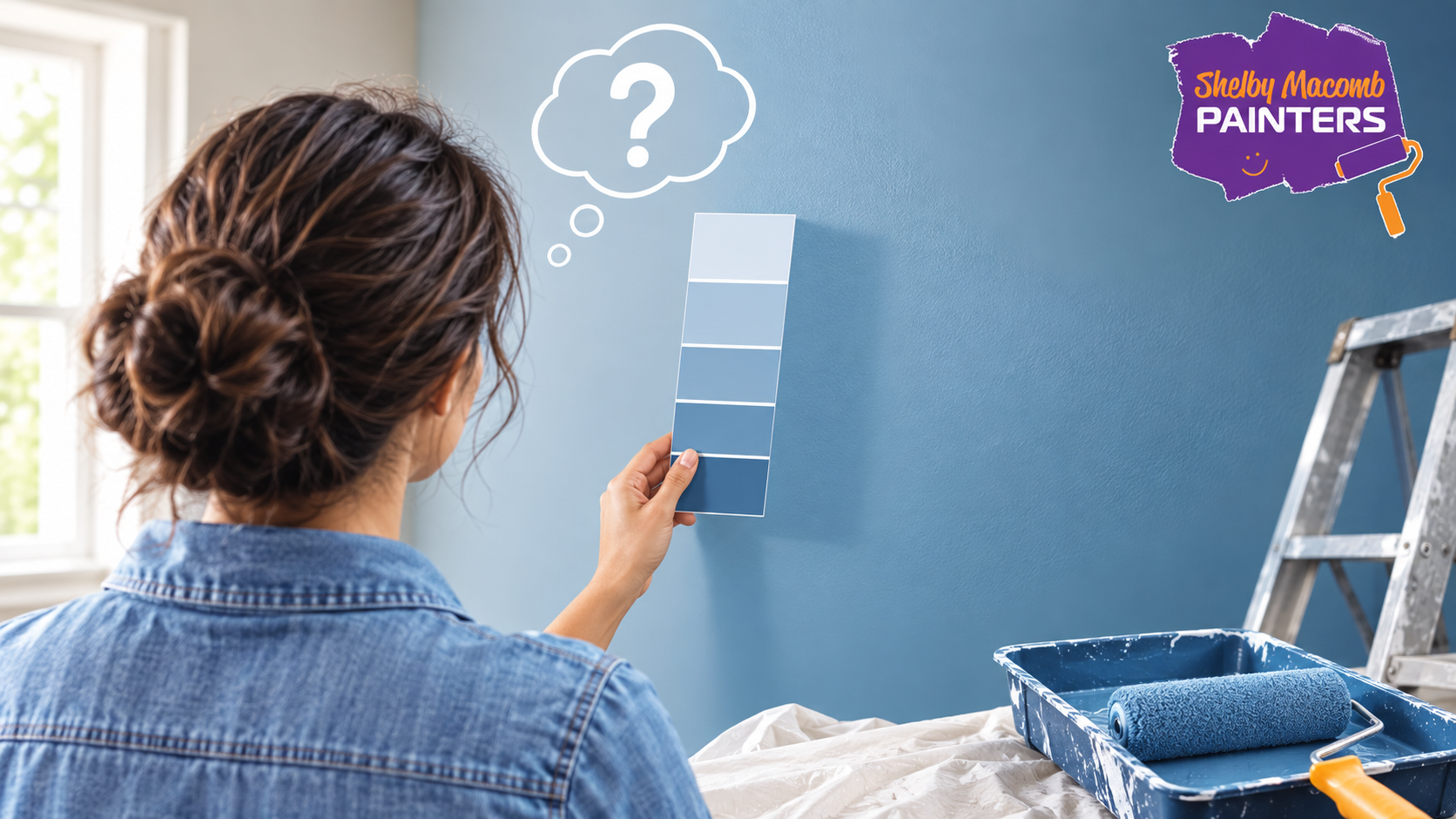
A fresh coat of paint has the power to redefine an entire room. Yet many homeowners experience the same frustrating moment: the carefully selected color sample looked perfect in the store, but once it’s on the walls, it looks completely different.
Technically, the difference may not be as a result of the paint. Rather, several environmental and technical factors can affect the appearance of colors after application. Understanding these factors before starting a project helps avoid costly mistakes and disappointing results. Whether you’re refreshing a single room or planning complete residential home painting, knowing why paint colors change can make every decorating decision more confident and successful.
Lighting Changes Everything
In most instances, the lighting is the most important reason why paint ends up looking different from what’s shown in the sample.
Bright retail lighting is usually the standard setting for paint samples, but your house is different, having an average amount of natural light and your own series of LED lights, incandescent, and shadows. colored lights have varying color temperatures, which can make a huge difference in how paints look.
For example:
- North-facing rooms can often accentuate cooler colors.
- Rooms facing south provide warmer colors.
- Warmly glowing light bulbs will accentuate yellows and creams.
- Cool white LEDs stand out with their blues and grays.
The color may look perfectly fine in the store and feel so completely different once it’s installed in your house and lit during the day.
Wall Size Changes Color Perception
A two-inch paint chip is a partial representation of a color.
The more of this color that blankets hundreds of square feet, the more vivid it looks. Dark colors have darker tones, and lighter colors can be brighter or washed out.
That’s why it is common practice for professionals to paint large test sections on several walls to see how they look before covering the entire room. Homeowners can observe the color with furnishings, floors, windows, and architecture when looking at a larger sample.
Existing Wall Colors Can Affect the Final Result
The first coat over a previously applied wall color will not always be clear.
To make sure a dark color or color is fully covered, it needs to be undercoated with primer before any other undercoat is applied. Any hints of the existing surface will affect the final look.
Part of the accurate color result achieved by experienced indoor painting services involves proper surface preparation, which involves cleaning, fixing any problems, and sometimes priming if needed.
Paint Finish Influences Appearance
Color is not the only factor to consider.
The type of paint used – flat, eggshell, satin, semi-gloss, and gloss all reflect differently.
Generally:
- Flat finishes are light-absorbent, making colors look more subdued.
- Satin and eggshell finishes offer a gentle sheen.
- Gloss finishes show more light, hence tend to make colors appear brighter or richer.
The same paint color can differ significantly when applied in a different finish.
Paint Needs Time to Fully Cure
New paint finishes may not appear exactly the same as the original paint when freshly applied.
When the paint dries and cures, the moisture will evaporate, and the pigments will set. True color may not fully appear in the product for several days, depending on the product.
It is commonplace for homeowners to assume something is wrong with the color they just painted when it really isn’t – unless they can judge the color right after they painted it.
Time is part of the equation to realize the desired effect.
Professional Application Makes a Difference
Just high-quality paint cannot perform well when used improperly.
The color on the wall can vary depending on the type of coat applied, preparation, pressure from the rollers, and the thickness of the paint coat applied, or lack of a primer coat. Seasoned painters recognize the value of fine craftsmanship in regard to both the quality of color matching and the quality of the finish.
Indoor painting experts ensure proper lighting, adequate surface preparation, the correct type of painting, and even distribution of paint for a smooth and even finish. This skill allows homeowners to avoid unnecessary repainting and achieve beautiful and lasting results.
When hiring painting experts to assist with any home painting project, they will give you the confidence that you are choosing the right color for the space you are enhancing.
Conclusion
Paint samples may be great guides, but are only part of the intended final product. The finish of the paint to various surfaces, existing colors, décor, and technique of application all factor into a color’s appearance. Knowing these factors before painting can help homeowners make better choices and realize outcomes that leave a true impact on their home.
Looking for some help and advice on the right colors for your home? Discover interior painting services at Shelby Macomb Painters for perfectly finished, long-lasting interior painting.
FAQ
1. Why is my paint darker on the wall than the sample?
The larger the painted surface, the more intense the colors will look. Sometimes, the end product color may appear darker when compared to the color sample due to lighting conditions or the surrounding decoration.
2. Should I test paint colors before painting an entire room?
Yes. Using large sections of the sample on multiple walls can enable viewing of the color changes based on lighting conditions during the day.
3. Does paint finish affect color?
Absolutely. Colors in flat finishes take in light, and colors in satin and gloss finishes reflect more light; the same color will look brighter or richer.
4. Why do professional painters recommend primer?
Priming creates an even surface, prevents bleeding of colors you have used before, and ensures good paint adhesion for achieving closer-to-true, uniform colors.
5. What’s the best way to achieve more accurate colors indoors?
Pros assess lighting, suggest appropriate finishes, prepare surfaces properly, and even apply paint for a consistent and quality outcome for your residential home painting project.